Body Energy Balance: Intake vs Expenditure Fundamentals
A comprehensive examination of how energy intake from food interacts with energy expenditure processes to influence physiological homeostasis.
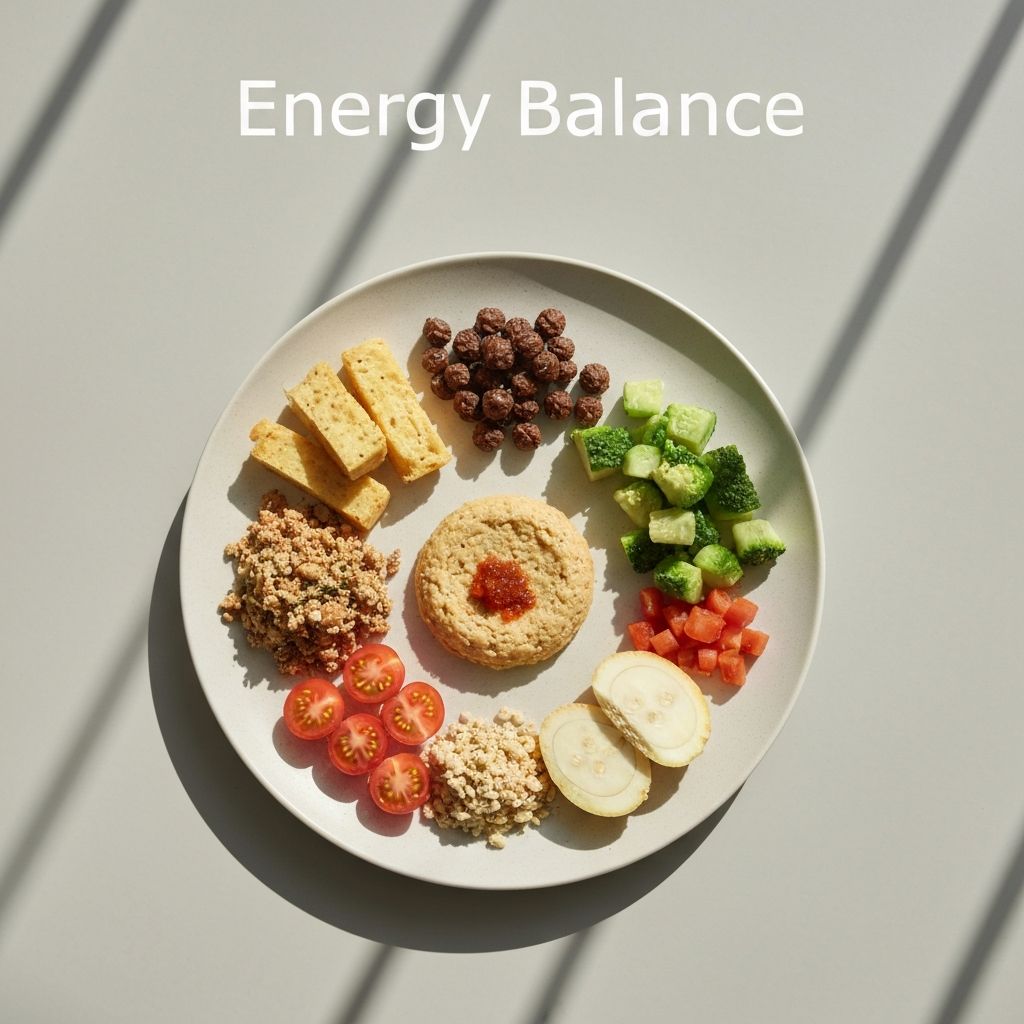
Understanding Energy Dynamics
The human body operates under fundamental thermodynamic principles. Energy consumed through food is either expended for bodily functions or stored as chemical energy in tissue. This basic principle forms the foundation of understanding how the body manages its internal energy state.
Energy expenditure occurs through several pathways: basal metabolic rate (the energy required for basic physiological functions at rest), the thermic effect of food (energy needed to digest, absorb, and process nutrients), and physical activity (both structured exercise and non-exercise activity thermogenesis).
Macronutrient Energy Content
Different macronutrients provide varying amounts of chemical energy. Carbohydrates and proteins each provide approximately 4 kilocalories per gram, while fat provides 9 kilocalories per gram. This difference reflects the molecular structure and the number of chemical bonds available for energy release.
The composition of dietary intake—the ratio of carbohydrates, proteins, and fats—influences both energy density and how the body processes that energy. Different macronutrients require different amounts of energy to digest, absorb, and process, contributing to variations in the thermic effect of food.
Expenditure Components
Basal metabolic rate represents the largest component of daily energy expenditure for most individuals and is determined by body composition, age, sex, and genetics. Physical activity creates additional energy demand that varies based on intensity and duration. Non-exercise activity thermogenesis accounts for energy expended during daily living activities and occupational work.
Energy Storage and Mobilisation
When energy intake exceeds expenditure, the surplus is stored primarily as fat in adipose tissue, though carbohydrates are first stored as glycogen in the liver and muscles. Glycogen storage is limited and serves as a readily available energy source, while fat storage capacity is essentially unlimited.
When energy intake is insufficient to meet expenditure demands, the body mobilises stored energy. Glycogen is mobilised first, followed by fat mobilisation through lipolysis. Protein can also be broken down for energy, though this is not a primary function—proteins serve structural and functional roles.
The balance between intake and expenditure is dynamically regulated through hormonal and neurological systems. Signals related to energy status influence appetite, satiety, and metabolic rate, creating a feedback system that tends to maintain relative stability in body energy stores.
Important Context
This article presents neutral scientific information about energy balance physiology. It is provided for educational purposes only and does not constitute individual nutritional advice. Energy balance is one component of a complex physiological system influenced by genetics, hormones, activity patterns, and dietary composition. Individuals should consult qualified professionals for personalised guidance.