Insulin Dynamics and Nutrient Response
A detailed examination of insulin secretion, cellular signalling mechanisms, and how different nutrients influence glucose handling and metabolic partitioning.
Insulin Secretion Mechanisms
Insulin is a peptide hormone synthesised and secreted by pancreatic beta cells in response to elevated blood glucose. When dietary carbohydrates are digested and glucose is absorbed, blood glucose concentration rises, triggering insulin release into the bloodstream.
This glucose-dependent insulin secretion is the primary mechanism for nutrient signalling. The rate and magnitude of insulin secretion depends on the rate of blood glucose rise and the absolute glucose concentration. Different carbohydrate sources produce different glycaemic responses, influencing insulin secretion patterns.
Cellular Response to Insulin
Once secreted, insulin circulates to target tissues where it binds to insulin receptors on cell surfaces. This binding initiates a signalling cascade that results in glucose uptake by muscle and adipose tissue cells. Insulin sensitivity refers to the degree to which cells respond to insulin signalling—highly sensitive cells take up glucose efficiently, while reduced sensitivity impairs glucose uptake.
Muscle cells utilise glucose for immediate energy needs and also store glucose as glycogen. Adipose tissue cells take up glucose and can convert it to fatty acids for storage as triglycerides. The liver can also take up glucose and store it as glycogen or convert it to fatty acids.
Nutrient Partitioning Effects
Insulin's effects extend beyond glucose handling. It suppresses lipolysis (fat breakdown) and enhances lipogenesis (fat synthesis). It also promotes amino acid uptake in muscle tissue and enhances protein synthesis. These effects make insulin an anabolic hormone—it promotes energy storage and tissue building.
Macronutrient Interactions
While carbohydrates are the primary stimulus for insulin secretion, proteins also trigger insulin release, though typically with a smaller response than equal amounts of carbohydrate. Dietary fat has minimal direct effect on insulin secretion but influences overall metabolic responses.
The composition of meals influences both the insulin response and the pattern of nutrient utilisation. Meals containing substantial protein or fat moderate the rate of glucose absorption, resulting in a more gradual insulin response compared to pure carbohydrate meals.
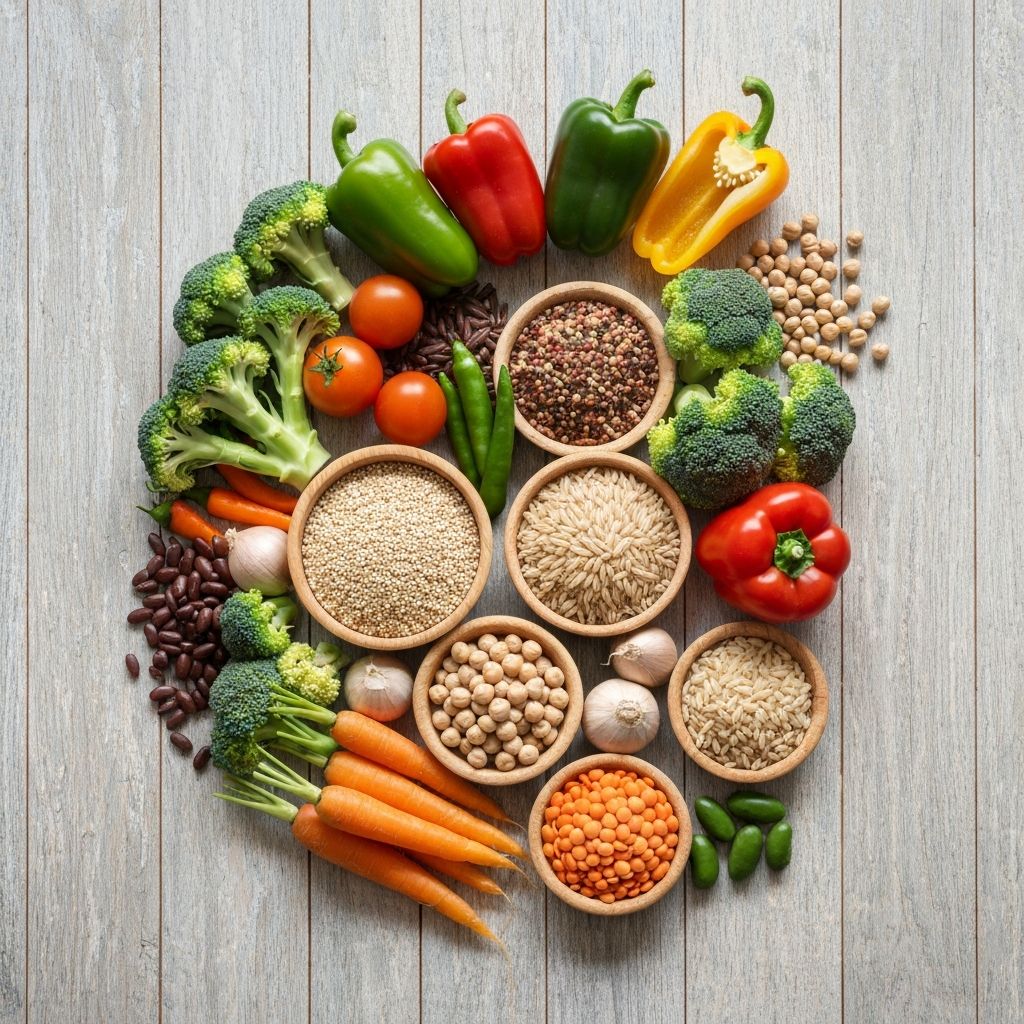
Different carbohydrate sources produce different glycaemic responses. Factors including fibre content, particle size, and other components influence how rapidly glucose is absorbed and how insulin secretion is triggered. This variation reflects the complexity of nutrient processing.
Important Context
This article presents neutral physiological information about insulin function and glucose handling. It is provided for educational purposes only and does not constitute individual nutritional advice. Insulin sensitivity is influenced by many factors including genetics, physical activity, nutrient composition, and individual metabolic characteristics. Individuals should consult qualified professionals for personalised guidance.