Metabolic Flexibility: Fuel Source Switching
An evidence-based examination of how the human body switches between different fuel sources and the adaptive physiological mechanisms that support metabolic flexibility.
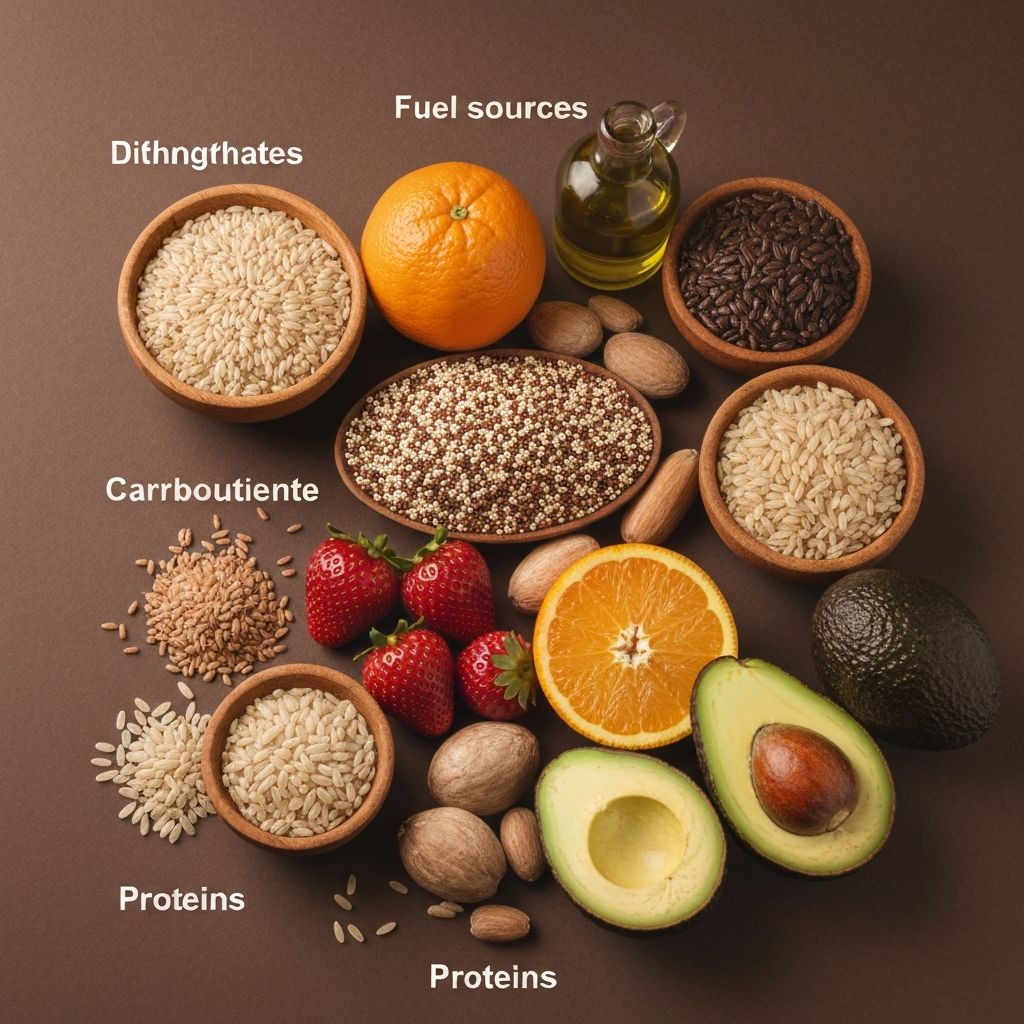
Concept of Metabolic Flexibility
Metabolic flexibility refers to the capacity of the body to efficiently shift between different macronutrient oxidation pathways—primarily between carbohydrate and fat oxidation—based on their availability and physiological demands. This adaptive capacity is a fundamental characteristic of healthy metabolism.
In fed states when glucose is abundant, the body preferentially oxidises carbohydrates. In fasted states when glucose is limited, the body shifts to fat oxidation and ketone body utilisation. This switching occurs naturally in response to fuel availability and is supported by hormonal and enzymatic systems.
Hormonal Regulation of Fuel Choice
Insulin and glucagon are the primary hormones regulating fuel choice. High insulin levels (associated with high glucose availability) suppress fat oxidation and promote carbohydrate utilisation. Low insulin levels (associated with low glucose availability) promote fat oxidation and suppress carbohydrate oxidation.
Epinephrine (adrenaline) and other catecholamines also influence fuel choice, particularly in response to physical activity and stress. These hormones promote the mobilisation of fat stores for oxidation. The sympathetic nervous system plays an important role in coordinating fuel mobilisation responses.
Mitochondrial Enzyme Systems
Mitochondrial oxidative capacity determines how efficiently different fuels can be oxidised. Enzymes involved in fatty acid oxidation (beta-oxidation), carbohydrate oxidation (glycolysis and the citric acid cycle), and ketone body metabolism are all present in mitochondria. The activity levels of these enzymes influence metabolic flexibility.
Adaptation to Dietary Patterns
Regular exposure to varying dietary compositions may enhance metabolic flexibility. Some research suggests that individuals who consume varied macronutrient ratios develop better capacity for fuel switching compared to those with very consistent dietary patterns. However, the magnitude and practical significance of such adaptations remains an active area of investigation.
Physical activity influences metabolic flexibility through multiple mechanisms. Exercise increases energy demand, promotes mitochondrial adaptation, and enhances insulin sensitivity. These effects together support improved capacity for fuel utilisation and switching.
Individual Variation
There is considerable individual variation in metabolic flexibility, influenced by genetic factors, age, habitual physical activity, body composition, and metabolic health status. Some individuals demonstrate greater capacity for fat oxidation in response to low carbohydrate availability, while others show more limited flexibility.
Ketone Body Metabolism
Under conditions of low carbohydrate availability (such as during fasting or very low carbohydrate diets), the liver synthesises ketone bodies from fatty acids. These ketone bodies (acetoacetate, beta-hydroxybutyrate, and acetone) can be utilised by peripheral tissues as an alternative fuel source to glucose.
The brain, heart, and kidneys can efficiently use ketone bodies as fuel. The capacity to produce and utilise ketone bodies represents an important aspect of metabolic flexibility and demonstrates the body's adaptive capacity to handle varying fuel availability.
Important Context
This article presents evidence-based information about metabolic flexibility and fuel utilisation. It is provided for educational purposes only and does not constitute individual nutritional advice. Metabolic flexibility is influenced by complex interactions among genetics, diet, physical activity, and individual metabolic characteristics. Individual responses to different dietary approaches vary considerably. Individuals should consult qualified professionals for personalised guidance.